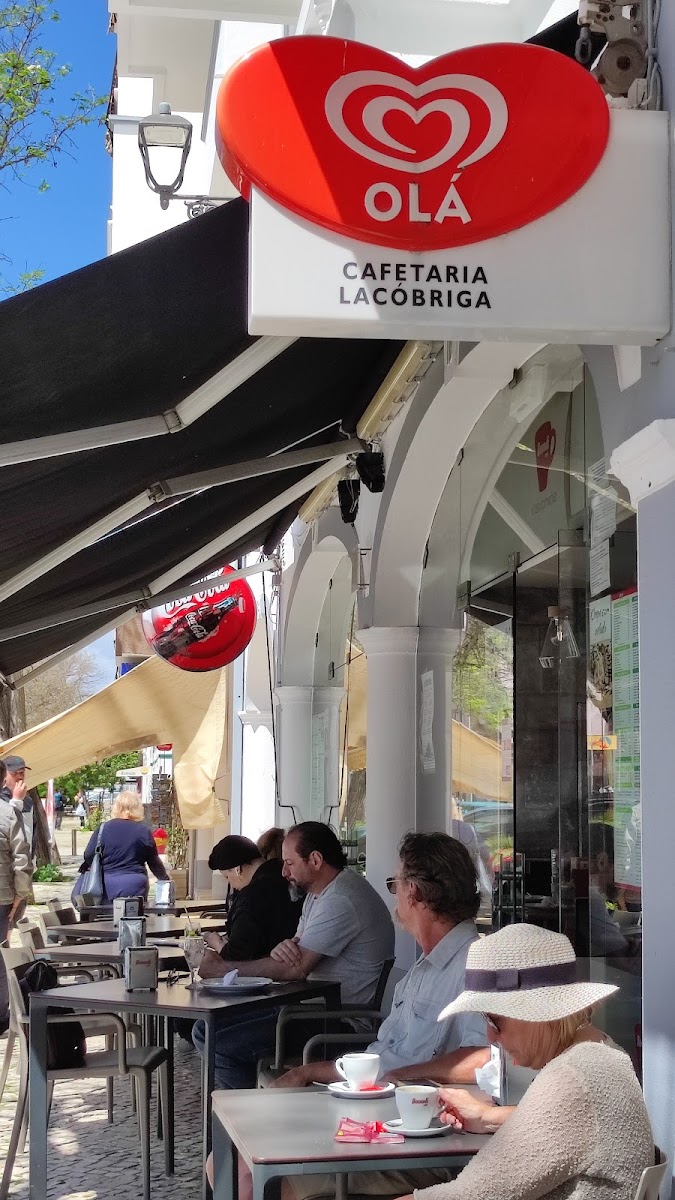
A very well-kept bistro with excellent coffee, an extensive selection of delicious pastries, friendly and fast service, and a relaxed atmosphere in a quiet side street yet centrally located. The consistently good, unobtrusive music invites you to linger. Very nice.....
Overview
Walking into Cafetaria Lacóbriga feels like stepping into the everyday rhythm of Lagos rather than a staged tourist version of it. I first stopped here on a weekday morning while waiting for an appointment nearby, and what was meant to be a quick coffee turned into an unhurried meal that set the tone for the rest of the day. Located at R. Victor da Costa e Silva 10, 8600-315 Lagos, Portugal, this diner-style café has quietly built a reputation among locals for doing simple food well, without unnecessary flair.
The menu leans into Portuguese comfort staples, and that’s where its strength lies. On my first visit, I ordered a prato do dia featuring grilled chicken, rice, and salad. The chicken was seasoned hours ahead, clearly marinated with garlic and paprika, then cooked fresh to order. That kind of preparation matters. According to food safety guidelines published by the Portuguese Directorate-General of Health, proper marination and same-day cooking significantly improve both flavor and nutritional quality, something that’s easy to taste here. Regulars around me were ordering feijoada, bifanas, and toasted sandwiches, proof that this is a place people return to, not just try once.
Breakfast is another strong point. The coffee comes from a regional Portuguese roaster, and the staff know how to pull a clean espresso without bitterness. I overheard a couple at the next table debating whether this was the best coffee in the neighborhood, and judging by the steady morning crowd, that claim isn’t far-fetched. The pastries are sourced locally, and the pão com manteiga is exactly what it should be: warm bread, real butter, no shortcuts. It’s the kind of detail that makes a café dependable.
What stands out most is how efficiently everything runs. Orders are taken quickly, food arrives hot, and tables turn over without feeling rushed. This reflects a workflow common in traditional Portuguese cafeterias, where clear menu boards, limited daily specials, and repeat customer patterns allow kitchens to minimize waste. Research from the European Food Information Council shows that restaurants using short, focused menus often maintain higher consistency and customer satisfaction, which matches what you see here day to day.
Reviews from locals often mention the friendly service, and that’s been consistent across my visits. The staff recognize repeat customers, greet them by name, and still manage to stay attentive to newcomers. One lunchtime, I watched a staff member adjust a dish for a customer with dietary restrictions, calmly explaining what could be changed without compromising taste. That kind of transparency builds trust, especially in casual dining settings where people eat frequently.
In terms of location, it’s practical rather than scenic, but that works in its favor. Being slightly away from the waterfront keeps prices reasonable and the atmosphere grounded. Lagos has seen a steady rise in tourism over the last decade, with data from Turismo de Portugal showing year-on-year growth before 2020 and a strong recovery afterward. Cafés like this serve as anchors for the local community amid that change, offering consistency when everything else feels in flux.
There are limitations worth noting. The space can get noisy during peak lunch hours, and if you’re looking for experimental cuisine or late-night dining, this isn’t the spot. The menu doesn’t change dramatically, which might not suit visitors chasing novelty. Still, for anyone who values reliability, honest portions, and a place where the food tastes like it’s meant to be eaten regularly, not photographed once, it delivers on its promise.
Over time, I’ve come to treat it as a reference point for what a good neighborhood diner should be. Not perfect, not pretentious, just grounded, efficient, and consistently satisfying.
Good to know
Service options
✓ Outdoor seating ✓ Dine-in ✓ DeliveryHighlights
✓ Great coffee ✓ Great dessertPopular for
✓ Breakfast ✓ Lunch ✓ Solo dining ✓ Good for working on laptopAccessibility
✓ Wheelchair-accessible entrance ✓ Wheelchair-accessible seatingOfferings
✓ Alcohol ✓ Beer ✓ Coffee ✓ Quick bite ✓ Small plates ✓ Spirits ✓ WineDining options
✓ Breakfast ✓ Lunch ✓ Dinner ✓ Dessert ✓ Seating ✓ Table serviceAmenities
✓ ToiletAtmosphere
✓ Casual ✓ CosyCrowd
✓ TouristsPayments
✓ Credit cards ✓ Debit cardsChildren
✓ Good for kidsParking
✓ Free of charge street parkingPhotos
1 / 4
Location
Reviews
- No ratings yet 271 reviews
The breakfast options are varied. I took a sandwich with bacon, egg and veggie’s (salad). It was delicious. The staff is friendly and the serving is fast. They have good prices and they open early for early birds like me. With the sandwich I also took coffee, a fresh squeezed orange juice and a desert and I paid around 10€ for all.
The pasteis de nata are crazy expensive (more than Lisbon), so i didn't dare to try them. I did however try a cappucino, and being an amateur at coffee, I found it very okay. The cafe is spacious and clean with good service. This cafe was only a place for us to wait for our bus, so I don't recommend due to the pricing for drinks and pastries. Some items on the menu have a good price but many are a couple of euros more expensive than other places.
Great little place with a varied menu, some lovely local pastries and coffee. The staff were excellent, so accommodating and polite!
This is the perfect place to have a quick tasty lunch or snack. Excellent sandwiches and home made desserts. Quick, friendly service, very reasonable prices, and clean restrooms.
My wife and I love this diner, and we have eaten here numerous times. Excellent food, and service with a smile. We have tried many dishes; omelets, cod, hamburgers, sandwiches, bitoque, and others. All great! Plenty of indoor and outdoor seating. There is always good music playing in the background. Cafeteria is very clean and comfortable. I highly recommend eating here!
Neighborhood cafe and decent spot for a morning pastry and coffee before a bus.
It's a nice Café, clean, very friendly service and they make the best burgers around! The meat is tasty, the other dishes are also very good. I go here since years. 100% recommendation